Thailand Travel Itinerary 2026: How to Plan Your Perfect Route
- 1. Step One: Understand Thailand’s Geography & Travel Logic
- 2. Step Two: Decide How Long You Have (Time-Based Planning)
- 3. Step Three: Choose the Right Travel Style
- 4. 7-Day Itinerary: Experiencing Thailand for First-Time Visitors
- 5. 10–14 Days in Thailand: Finding the Right Balance
- 6. A 2–3 Week Journey in Thailand: Immersion and Slow Travel
- 7. Planning Efficient Travel Between Regions
- 8. When to Go: Seasonality and Itinerary Adjustments
- 9. Budget-Aware Itinerary Planning
- 10. Common Itinerary Planning Mistakes to Avoid
For decades, Thailand has stood out as one of Asia’s most diverse and energetic travel destinations. From the energetic streets of Bangkok to the mountains of the north and the tropical islands in the south, the country offers a surprising range of travel experiences within a relatively compact geography.
At the same time, Thailand is a destination where many travelers underestimate the distances involved. Many first-time visitors try to see too many places in a short period of time. The result is often long travel days and an itinerary that feels rushed.
A more rewarding trip usually starts with understanding how the country is laid out and planning a route that gives each region enough time to explore. When destinations are connected at a comfortable pace, the journey feels more coherent and less fragmented.
This guide breaks down how to plan a practical Thailand itinerary for 2026, including travel timing, transportation options, seasonal considerations, and several route ideas for different types of travelers.
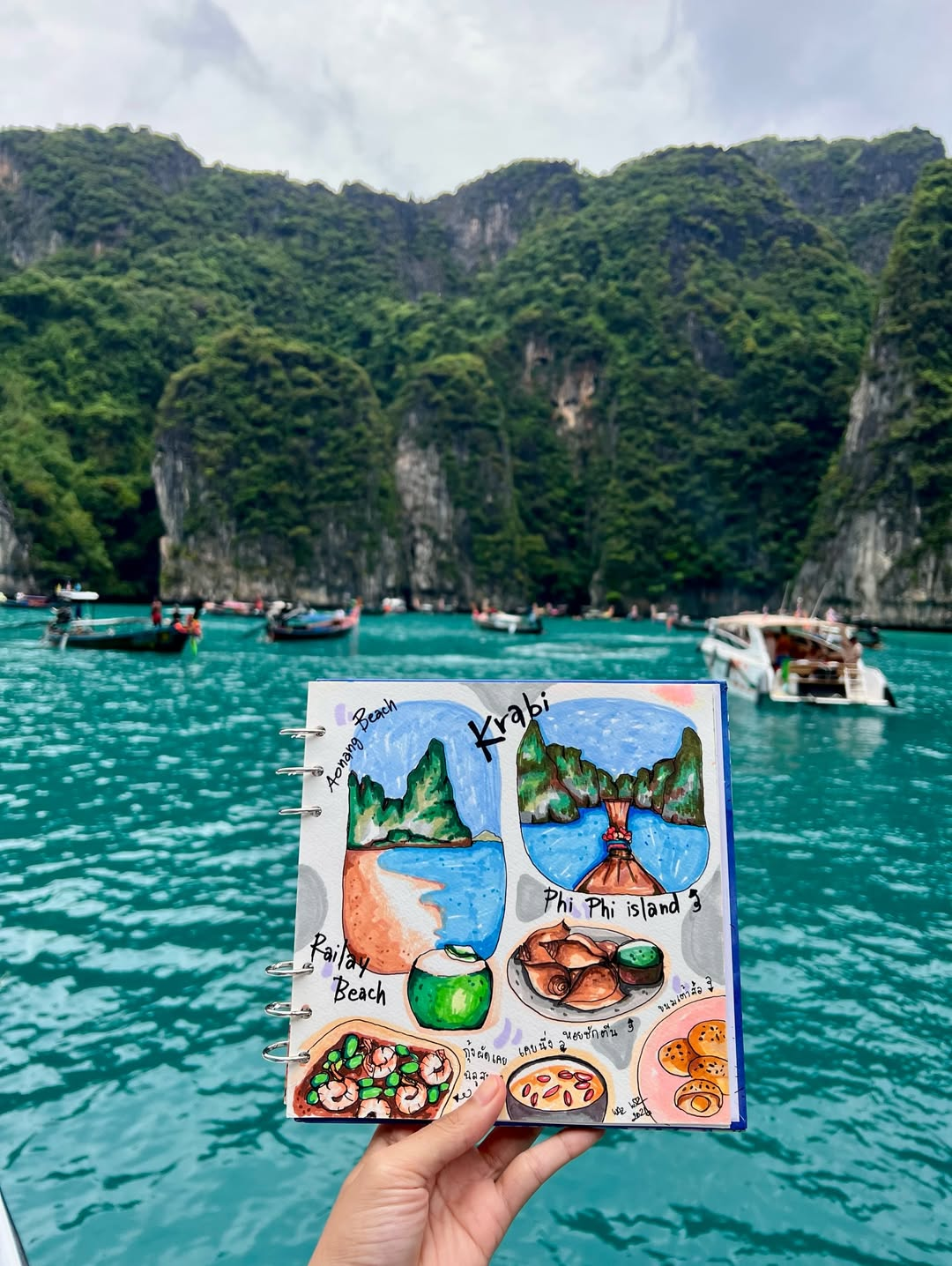
Sketchbook capturing the beauty of Krabi and the Phi Phi Islands, Thailand
Source: Instagram — @waaz_art
1. Step One: Understand Thailand’s Geography & Travel Logic
Before choosing specific destinations, it helps to understand how travel in Thailand actually works. This step helps prevent unrealistic itineraries and builds confidence from the very beginning of the planning process.
Thailand stretches more than 1,600 kilometers from north to south. As a result, each region differs not only in landscape, but also in climate, daily rhythms, and overall travel experience. Without understanding this structure, travelers often move constantly between destinations while the trip still feels fragmented.
1.1. Thailand’s Geography
Each region of Thailand almost feels like a small country of its own, with a distinctive character and travel style.
- Central Thailand
Central Thailand revolves around Bangkok, the country’s capital and main international gateway. It is where modern urban life intersects with long-standing traditions, and it also functions as the country’s largest hub for both air and land transportation.
- Northern Thailand
Northern Thailand is defined by mountainous landscapes, a cooler climate at certain times of the year, and a strong connection to the cultural heritage of the Lanna Kingdom. Cities such as Chiang Mai are often chosen by travelers seeking a slower pace, closer access to nature, and deeper encounters with regional culture.
- Northeastern Thailand (Isan)
This is often considered the most “authentic” region of the country, where international tourism remains relatively limited. Isan reflects a strong agricultural identity, vibrant folk music traditions, and some of the most intensely flavored cuisine in Thailand. It is particularly appealing to travelers interested in exploring the cultural depth of regional life.
- Southern Thailand
Southern Thailand extends along two coastlines: the Andaman Sea and the Gulf of Thailand. Each coast experiences a different rainy season, a factor that directly influences island travel and beach planning.
Below is a summary table of the approximate distances and travel times between some of the most popular destinations in Thailand, based on travel conditions as of 2026.
Travel from Bangkok to Other Regions
|
Destination |
Approximate Distance |
Flight |
Train |
Bus |
|
Chiang Mai (Northern Thailand) |
~700 km |
1h15 – 1h30 |
10h – 14h |
9h – 12h |
|
Phuket (Southern Thailand) |
~840 km |
1h20 – 1h30 |
12h – 15h (including bus transfer) |
12h – 14h |
|
Krabi (Southern Thailand) |
~780 km |
1h20 |
— |
~12h |
|
Hua Hin |
~200 km |
— |
3h30 – 4h |
~3h |
|
Pattaya |
~150 km |
— |
~3h30 |
2h – 2h30 |
Travel Between Regions (Without Passing Through Bangkok)
|
Route |
Estimated Distance |
Transportation |
Travel Time |
|
Chiang Mai ↔ Phuket |
~1,500 km (by road) |
Flight (direct) |
2h – 2h20 |
|
|
|
Bus |
~24h |
|
Chiang Mai ↔ Chiang Rai |
~180 km |
Bus |
3 – 3.5h |
|
Phuket ↔ Krabi |
~160 km (by road) |
Ferry |
1.5 – 2.5h |
|
|
|
Bus |
~3h |
1.2. Transportation Notes for 2026
- Air travel:
Flying remains the most efficient option for saving time when traveling between Northern and Southern Thailand. Low-cost carriers such as AirAsia and VietJet Air frequently operate direct routes between major cities.
- Train travel:
The overnight sleeper train between Bangkok and Chiang Mai—particularly the Special Express No. 9/10 service—is widely considered one of the most popular rail journeys. It is known for its cleanliness and scenic views along the route, although the travel time is relatively long.
- Long-distance buses (VIP Bus):
VIP buses are a suitable option for travelers on a tighter budget. Overnight departures are especially convenient, as they allow passengers to save the cost of one night’s accommodation while traveling.
Because Thailand stretches across a long north–south axis, traveling between regions can take significant time. Attempting to combine too many destinations in a short trip often results in spending more time in transit than actually exploring.
For most travelers, a slower pace tends to create a more meaningful experience. Spending several days in one place allows time to explore local neighborhoods, try regional food, and observe daily life beyond major attractions.
Understanding these geographic realities is the first step toward building a practical and enjoyable itinerary.
2. Step Two: Decide How Long You Have (Time-Based Planning)
Thailand is a country marked by clear geographic contrasts and different rhythms of life. From the quiet mountain regions in the north to the lively islands in the south, each area requires a reasonable amount of time to truly experience. One of the most common mistakes travelers make is trying to “conquer” too many destinations within a short trip, which often results in fatigue and a rather superficial experience.
2.1. Refinement in Short Trips (5–7 Days)
With less than a week available, the most effective strategy is to focus on a single region. This could mean staying around Bangkok and nearby provinces such as Kanchanaburi or Hua Hin, or dedicating the entire trip to Chiang Mai. Avoiding domestic flights between the north and the south can save at least one to two full days of travel time. In return, you gain the opportunity to wander through local markets, enjoy street food, and observe everyday life at a slower, more relaxed pace.
2.2. Transition in Medium-Length Journeys (8–14 Days)
This time frame is ideal for experiencing Thailand’s diversity by connecting two regions with contrasting character.
Suggestion: Combine a cultural or urban center (Bangkok or Chiang Mai) with a coastal destination such as Phuket, Krabi, or Koh Samui.
Note: To prevent the trip from turning into a “march between destinations,” allocate at least three to four days for each main stop. This allows enough time to participate in more immersive activities—such as cooking classes, diving excursions, or jungle trekking—without constantly watching the clock.
2.3. Deeper Understanding in Long Journeys (More Than 15 Days)
When time is less restricted, travelers can explore longer routes across the country or venture into lesser-known areas off the typical tourist path. This is the moment to discover the winding Mae Hong Son Loop, famous for its thousands of mountain curves, or to travel through the Isan region in northeastern Thailand, where some of the country’s most authentic cultural and culinary traditions are preserved.
At this stage, visitors often begin to understand the philosophy of “Sabai Sabai”—a sense of ease and unhurried living that reflects an essential aspect of Thai culture, something that rushed trips rarely capture.
Thailand will always be there, and there is no need to see everything in a single visit. Allow each journey to be a chapter read with care, rather than skimming through the entire book all at once.
3. Step Three: Choose the Right Travel Style
Thailand attracts many different kinds of travelers, each with their own priorities and expectations.
3.1. First-Time Travelers (First-Time Overview)
- Priority: Experiencing the most iconic aspects of the country.
- Suitable regions: The “golden route” of Bangkok – Ayutthaya – Pattaya. This combination brings together modern urban life, historic heritage sites, and seaside entertainment within relatively close distance of the capital.
- Expectations: The itinerary is often quite full. Travelers should be prepared to encounter large crowds at well-known attractions.
3.2. Culture & Food–Focused Travelers
- Priority: Gaining deeper insight into history, local arts, and the layered flavors of Thai cuisine.
- Suitable regions: Chiang Mai and the Isan region (Northeastern Thailand). If Chiang Mai represents the heart of Lanna culture, Isan offers some of the most distinctive and authentic culinary traditions in the country.
- Expectations: This style of travel requires patience and a willingness to explore smaller streets, local neighborhoods, or remote villages. The experience tends to focus more on human connection than on simply observing landscapes.
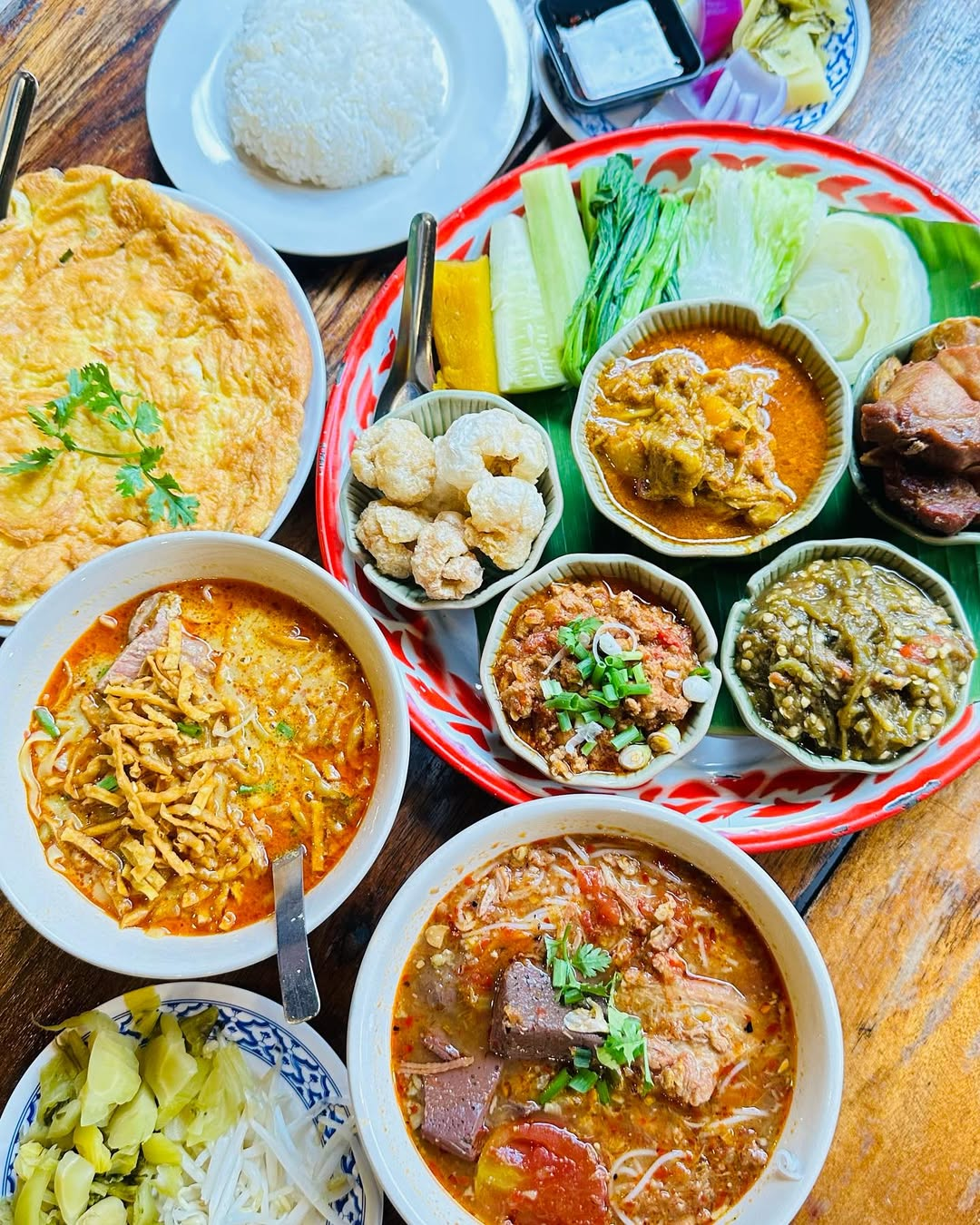
A traditional Thai meal with a variety of curries, vegetables, and soups
Source: Instagram — @premiumbanana
3.3. Beach & Nature Enthusiasts
- Priority: Relaxation, outdoor activities, and exploration of coastal ecosystems.
- Suitable regions: Phuket and Krabi in Southern Thailand for those drawn to turquoise waters and sandy beaches; or inland destinations such as Khao Yai and Kanchanaburi for travelers who prefer forests, mountains, and national parks.
- Expectations: Costs in island and coastal areas are often higher than on the mainland. Seasonal weather—particularly the distinction between rainy and dry seasons—plays a major role in determining the overall quality of the trip.
3.4. Slow Travelers & Long-Stay Visitors
- Priority: A relaxed pace, minimal scheduling, and the opportunity to experience daily life in a more local way.
- Suitable regions: Pai (Mae Hong Son) or Koh Lanta. These destinations maintain a genuinely “Sabai Sabai” rhythm, offering distance from the intensity of mass tourism.
- Expectations: This style of travel requires a higher level of personal adaptability. Entertainment and luxury services may be limited, but in exchange travelers gain greater freedom with their time.
3.5. Hybrid Work / Remote Travelers
- Priority: Reliable internet infrastructure, coworking spaces, and an established international community.
- Suitable regions: Bangkok (Sukhumvit area) or Chiang Mai (Nimman area). These neighborhoods are widely considered the main hubs for digital nomads in Thailand.
- Expectations: Maintaining discipline between work and exploration becomes essential. While the environment is convenient and well connected, the urban pace can sometimes make it easy to lose balance between productivity and rest.
Choosing the right travel style does more than optimize your budget. It ensures that the time you spend in Thailand brings meaningful experiences and lasting value.
4. 7-Day Itinerary: Experiencing Thailand for First-Time Visitors
For those visiting the Land of Smiles for the first time, one week is just enough time to gain an initial sense of the country. Within seven days, travelers can experience both the fast-paced atmosphere of modern cities and the quieter, more traditional side of Thailand. Rather than trying to cover the entire country, the most practical approach is to focus on one major city and combine it with a destination that offers a contrasting atmosphere.
4.1. Travel Philosophy: One Hub – One Contrast
Thailand is not defined only by its golden temples. What makes the country interesting is the clear contrast between urban life and the calmness of nature. By choosing two destinations with different characteristics, travelers can gain a broader perspective on Thailand without spending too much time moving from place to place.
4. 2. Detailed Itinerary
- Days 1–3: Bangkok – Where Modern Life Meets Tradition
Main experiences include visiting the Grand Palace and Wat Phra Kaew, exploring the city’s canals by long-tail boat, and experiencing the lively atmosphere of Bangkok’s night markets. Bangkok introduces visitors to the energetic rhythm of Thailand, offering insight into the country’s religious traditions as well as its well-known street food culture.
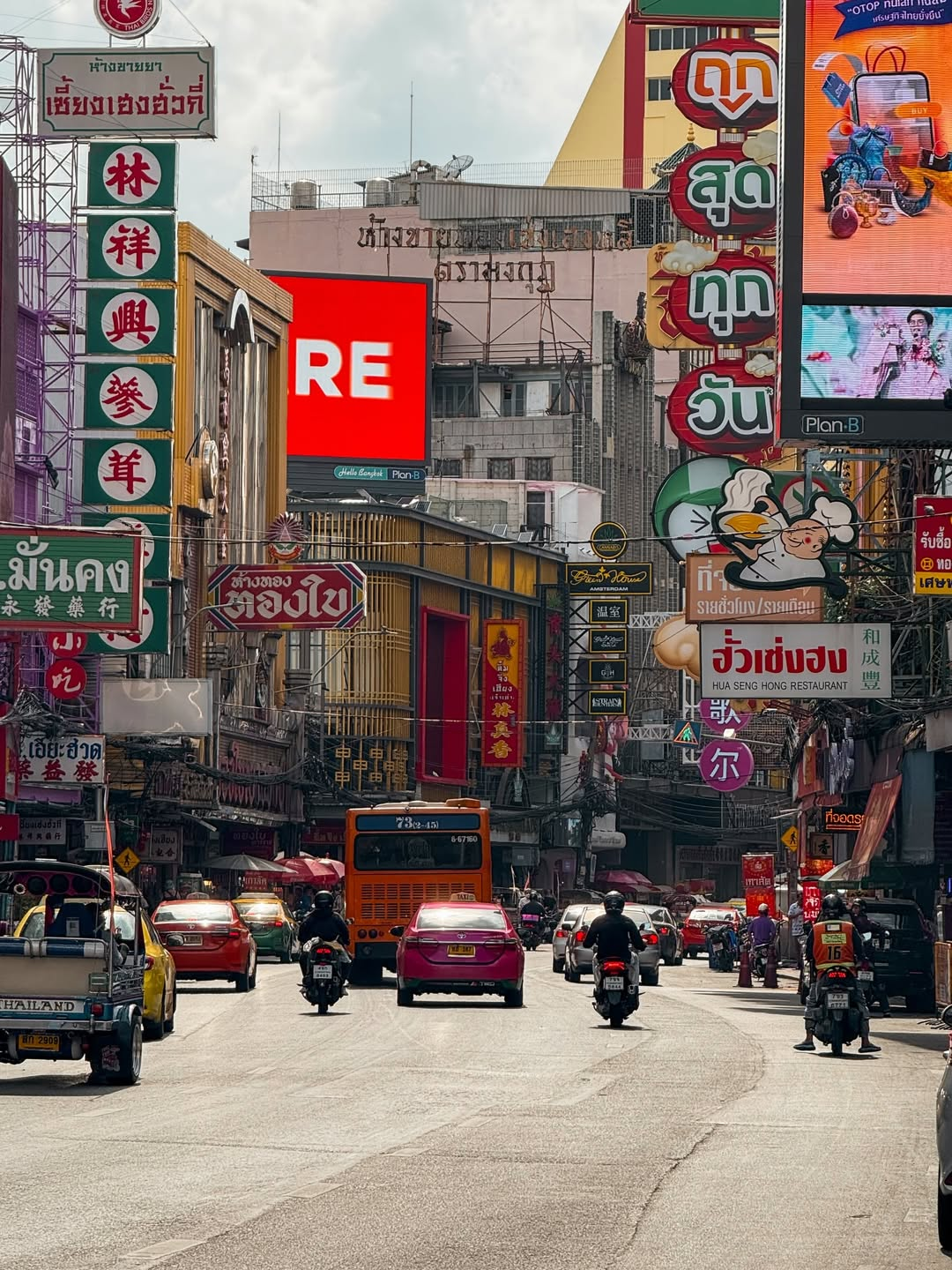
Busy street scene in Bangkok’s Chinatown
Source: Instagram — @intothethailand
- Days 4–7: Choose a Contrasting Destination (North or Coast)
- Option A – Chiang Mai in the North: This option suits travelers who are interested in the historic Lanna culture, quiet cafés tucked away in the hills, and the cooler atmosphere of northern Thailand. Compared with Bangkok, life here moves at a slower and more relaxed pace.
- Option B – Coastal Escape (Pattaya or Hua Hin): For travelers who prefer the sea, nearby coastal towns provide an accessible option. Beaches such as Pattaya or Hua Hin are close enough to Bangkok to reach without spending too much time on transportation, while still offering a chance to enjoy the ocean and a more relaxed environment.
4.3. Who This Itinerary Is Suitable For
This itinerary is designed particularly for:
- Travelers with limited time: It focuses on key experiences while minimizing long travel times.
- First-time visitors: It reduces logistical complexity and ensures that travelers do not miss some of Thailand’s most recognizable landmarks.
Seven days are not enough to fully understand Thailand, but they are enough to spark a deeper interest in the country. The key is choosing destinations that contrast with each other, allowing visitors to see different sides of a place known for its cultural diversity.
5. 10–14 Days in Thailand: Finding the Right Balance
With 10 to 14 days available, travelers have a valuable opportunity to experience the key elements that define Thailand’s tourism appeal. Rather than simply passing through major destinations, this timeframe allows for a journey that reveals the country’s diverse landscapes, cultural traditions, and regional lifestyles.
5.1. The Triangle Structure: Bangkok → Chiang Mai → Southern Coast
This classic route remains one of the most effective ways to experience Thailand, as it connects three distinct dimensions of the country.
- Bangkok (City)
The capital represents Thailand’s modern and energetic side. Bustling shopping districts, vibrant neighborhoods, and an active nightlife scene quickly introduce visitors to the rhythm of urban Thailand.
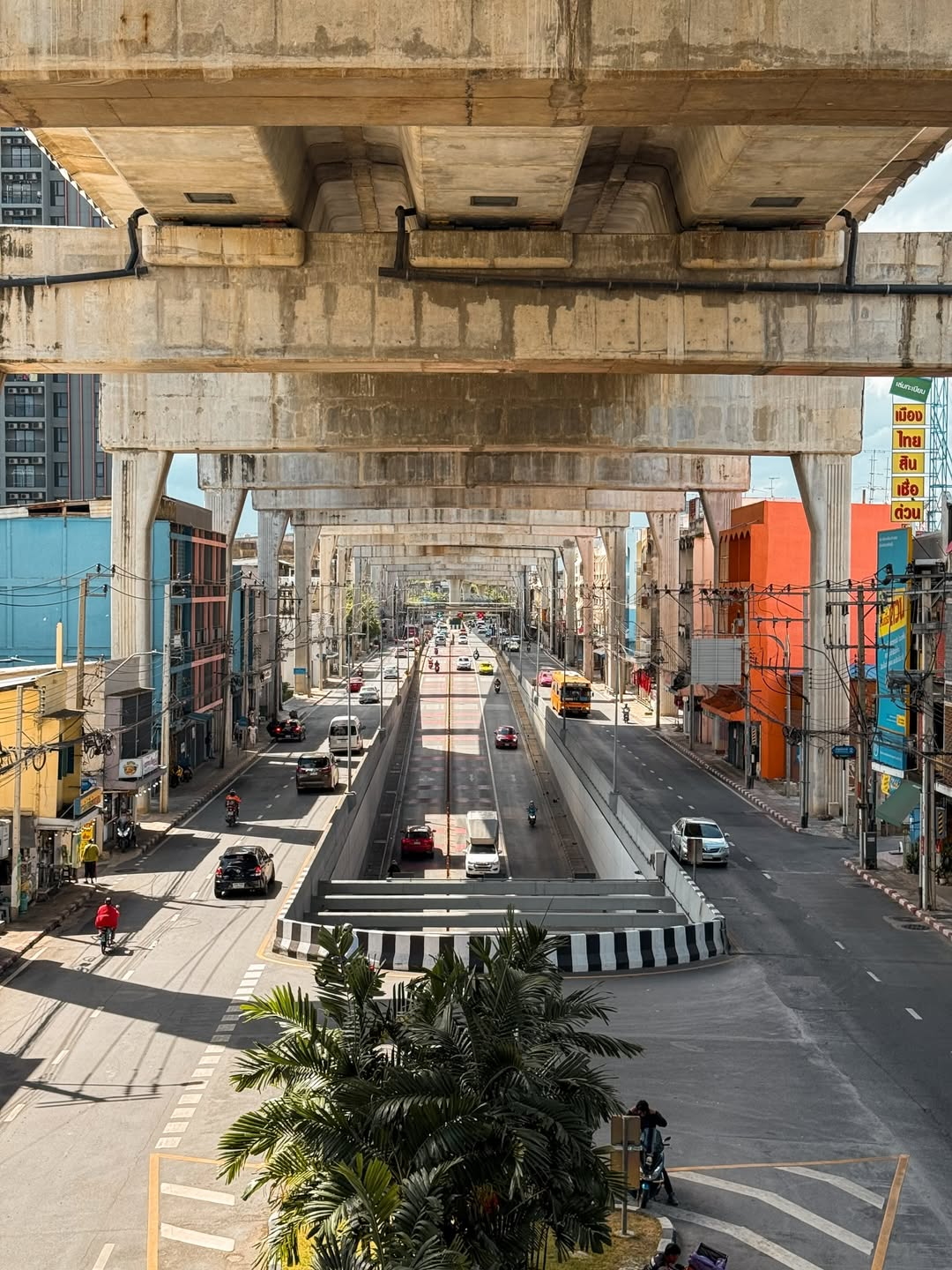
Traffic moving beneath an elevated railway in Bangkok, Thailand
Source: Instagram — @intothethailand
- Chiang Mai (Culture)
Located in the north, Chiang Mai offers a calmer atmosphere shaped by historic temples, traditional craft villages, and the cultural heritage of the Lanna kingdom. It is an ideal place to explore the deeper historical and cultural layers of the country.
- Southern Coast and Islands (Nature)
The final part of the journey often leads south toward the sea. Destinations such as Phuket, Krabi, or smaller islands provide a relaxing natural environment after several days of travel and exploration.
5.2. Transportation Options: Domestic Flights and Overnight Trains
Transportation choices influence not only logistics but also the overall experience of the trip.
- Domestic flights
Flying is the most efficient way to travel long distances, particularly between northern and southern Thailand, which are separated by more than 1,200 kilometers.
- Overnight trains
The overnight train between Bangkok and Chiang Mai is a memorable travel experience. Although the journey takes longer, it offers a chance to observe the gradual shift in landscapes and rural life across the country.
5.3. “Recovery Days” Within the Itinerary
One common mistake is trying to schedule every hour of the trip. During a two-week journey, leaving space for slower days can make the experience more enjoyable. These moments allow travelers to adjust to the climate and local cuisine while also leaving room for spontaneous discoveries beyond the planned itinerary.
A 10–14 day journey that combines City, Culture, and Nature is more than a sequence of destinations. It is a way of experiencing different layers of Thailand’s identity. When the energy of the city is balanced with cultural depth and the calmness of nature, the journey becomes a richer experience both physically and emotionally.
6. A 2–3 Week Journey in Thailand: Immersion and Slow Travel
When the travel window extends to two or three weeks, Thailand gradually becomes more than a destination to visit—it begins to feel like a temporary place to live. This is where the philosophy of “Fewer moves, deeper engagement” becomes meaningful. By traveling less frequently and spending more time in each location, visitors gain access to experiences that reveal a more authentic layer of local culture.
6.1. The Logic of Simplicity: Prioritizing Depth Over Movement
One common mistake in longer trips is the temptation to fill every available day with new destinations. A more thoughtful strategy is to reduce the number of intercity moves and allow more time for meaningful interaction at each stop.
Instead of simply checking in at well-known temples, travelers have the chance to become familiar faces at a neighborhood restaurant, observe the rhythm of daily life in a local district, and notice details that rushed visitors often overlook.
6.2. Structuring the Journey: From Cities to Remote Regions
Longer itineraries benefit from a clear structure that prevents cultural fatigue.
- Starting Phase – Bangkok
Most journeys begin in Bangkok, where visitors first encounter Thailand’s energetic urban environment and modern infrastructure.
- Exploration Phase – Northern Thailand or the Northeastern Region (Isan)
This stage often forms the heart of the journey. Mist-covered valleys in the North or the vast rice fields of Isan offer a deeper perspective on Thailand’s regional identity. Including rural areas or lesser-known provinces allows travelers to experience a side of the country that remains largely untouched by mass tourism.
- Rest Phase – Southern Thailand
The final stage typically leads to the southern coastline or islands. After days of exploration, the open landscapes and slower pace of island life provide a natural moment of rest before returning to everyday routines.
6.3. Who This Style of Travel Suits Best
This approach is not designed for everyone. It is particularly well suited to:
- Repeat Visitors
Travelers who have already seen Thailand’s most famous landmarks and are now looking for a more personal perspective on the country.
- Remote Workers
Digital nomads who require reliable infrastructure while also seeking an environment that encourages balance between work and exploration.
- Experience-Driven Travelers
Visitors who value learning a new skill, exploring a different language, or simply spending time living within another culture.
A journey lasting two to three weeks offers a rare opportunity to understand the Thai concept of Sabai Sabai—a philosophy of ease and balance in everyday life. When the line between “traveling” and “living somewhere” begins to blur, travelers often find that they have reached a deeper understanding of the country itself.
7. Planning Efficient Travel Between Regions
To ensure that traveling across Thailand’s different regions does not become mentally exhausting, understanding the country’s transportation network is an essential part of trip planning.
7.1. Transportation Options: Flights, Trains, and Buses
Each mode of transportation offers distinct advantages and serves different travel needs.
- Flights
Air travel is the most efficient option for long-distance routes between northern and southern Thailand, such as Chiang Mai to Phuket. With an average flight time of around one hour and twenty minutes, flying allows travelers to conserve energy and dedicate more time to exploring their destinations.
- Trains
Rail travel offers a culturally immersive and relatively safe way to move between regions. The overnight train from Bangkok to Chiang Mai is a well-known example, allowing travelers to observe the gradual transition of rural landscapes along the journey. However, travel times typically range from 10 to 14 hours.
- Buses
Buses provide the most extensive network, reaching destinations that other forms of transport may not cover. VIP or First Class buses often include comfortable seating and modern amenities at relatively affordable prices, making them suitable for short to medium-distance routes.
7.2. Overnight Travel: Advantages and Limitations
Overnight travel is commonly used on longer routes to optimize both time and budget.
- Advantages
Traveling overnight can save the cost of one night’s accommodation while allowing travelers to move between destinations during sleeping hours. As a result, the following day can begin immediately with exploration.
- Limitations
Sleep quality may be inconsistent, which can lead to fatigue the next day. In addition, nighttime travel means missing the natural scenery that would otherwise be visible along the route.
7.3. Booking Strategy: Advance or Flexible
The timing of ticket purchases depends largely on the travel season and the chosen mode of transportation.
- Advance Booking
This is particularly important for flights in order to secure reasonable fares, and for overnight train tickets, which tend to sell out quickly—especially first-class sleeper cabins. During peak travel periods between November and February, or major festivals such as Songkran, booking in advance becomes almost essential.
- Flexible Booking
A flexible approach works well for buses or shorter train journeys. Purchasing tickets closer to the departure time allows travelers to adjust their plans based on weather conditions or personal preferences, rather than being restricted by prepaid reservations.
An effective transportation strategy often combines the efficiency of air travel with the experiential value of ground transport. Once logistical concerns are minimized, travelers can focus fully on discovering the relaxed rhythm of life in the Land of Smiles.
8. When to Go: Seasonality and Itinerary Adjustments
To design a Thailand itinerary that truly aligns expectations with reality, understanding the country’s seasonal patterns and regional climate differences is essential. Thailand does not have a single “perfect” time to visit the entire country. Instead, each region has its own periods that are more favorable for travel.
Below are several key considerations that can help you adjust your itinerary more effectively.
8.1. Understanding the Dry and Rainy Seasons
Thailand’s climate is generally divided into three main periods, each influencing the types of activities available to travelers.
- Cool Dry Season (November – February)
This period is widely considered the best time to travel across most parts of Thailand. Temperatures are relatively mild, skies are clearer, and rainfall is limited. However, it is also the peak tourist season, which means higher prices and larger crowds at major attractions.
- Hot Season (March – May)
Temperatures can exceed 40°C, particularly in central and northeastern Thailand. While this period can be ideal for beach holidays, exploring cities or historical sites on foot can be physically demanding due to the heat.
- Rainy Season (June – October)
Rain showers often arrive quickly and pass just as quickly, but rough seas may limit island activities. On the other hand, this season offers lower travel costs and lush green landscapes throughout the countryside.
8.2. Regional Climate Differences
Weather conditions in Bangkok are not necessarily the same as in Chiang Mai or Phuket.
- Northern Thailand (Chiang Mai, Chiang Rai)
This region experiences a noticeable cool season between December and January, when mornings and evenings can be quite chilly. Travelers should also be aware of the burning season from February to April, when agricultural fires can affect air quality.
- Southern Thailand (Gulf of Thailand vs. Andaman Coast)
The two coastlines follow different monsoon patterns. When the Andaman Sea side—including Phuket and Krabi—enters the rainy season from May to October, the Gulf of Thailand (Koh Samui and Koh Phangan) is often drier and usually experiences its rainy season later in the year.
8.3. Festivals and Their Impact on Travel
Festivals are a vibrant part of Thai culture, but they can also affect travel logistics.
- Songkran Festival (April)
In 2026, Songkran is expected to take place from April 11 to April 14. It is one of the liveliest times of the year, though cities such as Bangkok and Chiang Mai become extremely crowded. Accommodation and transportation should be arranged well in advance.
- Loy Krathong Festival (November)
Known for its beautiful scenes of floating lanterns and illuminated waterways, Loy Krathong is one of Thailand’s most visually striking cultural celebrations. It is especially popular in Chiang Mai and often coincides with a peak travel period.
8.4. Tips for Avoiding Crowds
To enjoy major attractions such as the Grand Palace or Wat Arun more comfortably, travelers are advised to visit early in the morning when the sites first open. Purchasing tickets online in advance can also help reduce waiting times.
9. Budget-Aware Itinerary Planning
In Thailand, the most interesting aspect of travel is not how much you spend, but how you choose to spend it. From lively streets filled with modest eateries that open before sunrise to refined seaside resorts tucked along the coast, every budget level has its own place.
Before building a detailed itinerary, understanding the overall structure of travel expenses—accommodation, transportation, and activities—can help you manage your budget more effectively. With a clearer financial picture, it becomes easier to avoid unnecessary costs and enjoy the journey with greater peace of mind.
Below is a general budgeting framework based on common travel styles.
9.1. Daily Budget by Travel Style
Average daily spending (including accommodation, food, and local transportation) typically falls within the following ranges:
- Budget / Backpacker
Approximately $30–$50 per day. Travelers in this category often stay in hostels, rely on public transportation such as MRT, BTS, or buses, and eat at night markets or food courts.
- Mid-range
Approximately $60–$120 per day. This range usually includes accommodation in three- to four-star hotels, transportation by taxi or ride-hailing services such as Grab, and a mix of local restaurants and well-known eateries.
- Luxury
From $200 per day and above. This category typically involves stays in five-star resorts, private transportation, and premium experiences such as fine dining or river cruises.
9.2. Factors That Increase Travel Costs
Certain destinations and travel periods can naturally push expenses higher.
- Southern Islands
Popular islands such as Phuket, Koh Samui, and Phi Phi often have prices 30–50% higher than Bangkok or northern Thailand due to the cost of transporting goods and services to the islands.
- Peak Travel Season
Between November and February, international tourism increases significantly. During this period, hotel prices and airfare can sometimes double compared with off-season rates.
- Tours Booked Through Intermediaries
Activities such as diving trips or national park tours booked through hotels or travel agencies are often more expensive than booking directly with operators or through travel platforms.
9.3. Smart Ways to Optimize Your Budget
Reducing expenses does not necessarily mean sacrificing travel quality. A few thoughtful decisions can help maintain a good balance between cost and experience.
- Embrace Street Food
Thailand is widely known for its street food culture. Some of the most memorable meals can be found at small local stalls or markets for only a fraction of restaurant prices.
- Use Travel Apps
Applications such as Grab or Bolt help keep taxi fares transparent, while platforms like Klook and Agoda often offer discounted tickets for attractions and accommodations.
- Use Public Transportation
In Bangkok, the BTS Skytrain and MRT subway systems are among the fastest and most affordable ways to navigate the city. For longer routes, VIP buses can be a cost-effective alternative to flights if time is not a major constraint.
A good financial plan is not necessarily about spending the least, but about spending wisely. When travelers understand typical price ranges and budget structures, they are better prepared to allocate resources toward experiences that truly matter.
10. Common Itinerary Planning Mistakes to Avoid
Even in a well-planned trip, certain mistakes can easily make the journey more tiring than necessary. Recognizing these common issues early can help travelers design a more balanced itinerary.
10.1. Trying to Visit Too Many Destinations
Thailand stretches over a long north–south axis and offers remarkable geographical diversity. Trying to include Bangkok, Chiang Mai, and several islands within a short trip can quickly become exhausting.
A more practical approach is to focus on fewer locations and spend more time exploring each one.
10.2. Underestimating Travel Time
Flight duration alone rarely reflects the total time required for travel. Traffic in large cities, airport procedures, and transfers between transportation hubs can add several additional hours.
Allowing extra buffer time between destinations helps prevent unnecessary stress if delays occur.
10.3. Excessive Island Hopping
Southern Thailand offers many islands, but visiting several in quick succession can become tiring and expensive.
Choosing one island as a base and exploring nearby areas at a slower pace often results in a more relaxed experience.
10.4. No Buffer Days
A tightly packed itinerary without rest days can quickly lead to travel fatigue. After several consecutive days of sightseeing or long-distance travel, setting aside a flexible day allows travelers to recover, adjust plans, or simply enjoy a destination without pressure.
Planning a trip to Thailand is ultimately about balancing expectations with the realities of distance, climate, and travel pace. Rather than trying to see everything in one visit, most travelers find that a well-structured but flexible itinerary leads to a more enjoyable experience.
Understanding how the country is organized geographically, choosing destinations that match your available time, and allowing space between travel days can significantly improve the overall journey.
Thailand rewards travelers who take their time. With a thoughtful plan and a willingness to adapt along the way, even a short trip can provide a meaningful introduction to the country’s landscapes, culture, and everyday life.
Travel with an open heart, attentive eyes, and a calm, unhurried spirit.