Thailand Nightlife 2026: From Rooftop Luxury to Local Night Markets
- 1. Major Nightlife Hubs
- 2. A Layered Identity: Types of Nightlife Experiences
- 3. Cultural and Social Dimensions: Identity After Dark
- 4. Regulations and Safety: Practical Guidance for Exploring Thailand at Night
- 5. Key Trends in 2026: Structural and Technological Shifts
- 6. Matching the Experience: Nightlife by Preference and Budget
- 7. A Broader Perspective on Thailand’s Nightlife in 2026
As the last light fades from temple spires and city skylines, Thailand does not simply fall quiet. The country moves into a different rhythm, one that begins only after dark. Nightlife here has long outgrown the narrow idea of simple entertainment. Over time, it has become a defining feature of urban culture and a powerful force sustaining the country’s tourism economy.
The evolution of Thailand’s nightlife reflects decades of steady reinvention. What began as loosely organized entertainment venues has gradually matured into a more structured and sophisticated nighttime ecosystem. By 2026, the landscape shows clear signs of renewal, with tourism activity returning after the pandemic and authorities working to strengthen regulatory frameworks and urban management.
Today, nightfall is no longer merely the hour of revelry. It is the moment when Thai culture, creativity, and hospitality emerge under a more refined and contemporary light. The energy of world-class entertainment districts blends seamlessly with quieter, art-filled corners of the city, creating a distinctive atmosphere—one where every traveler can find a space to pause, observe, and immerse themselves in a side of Thailand that only truly comes alive after dark.
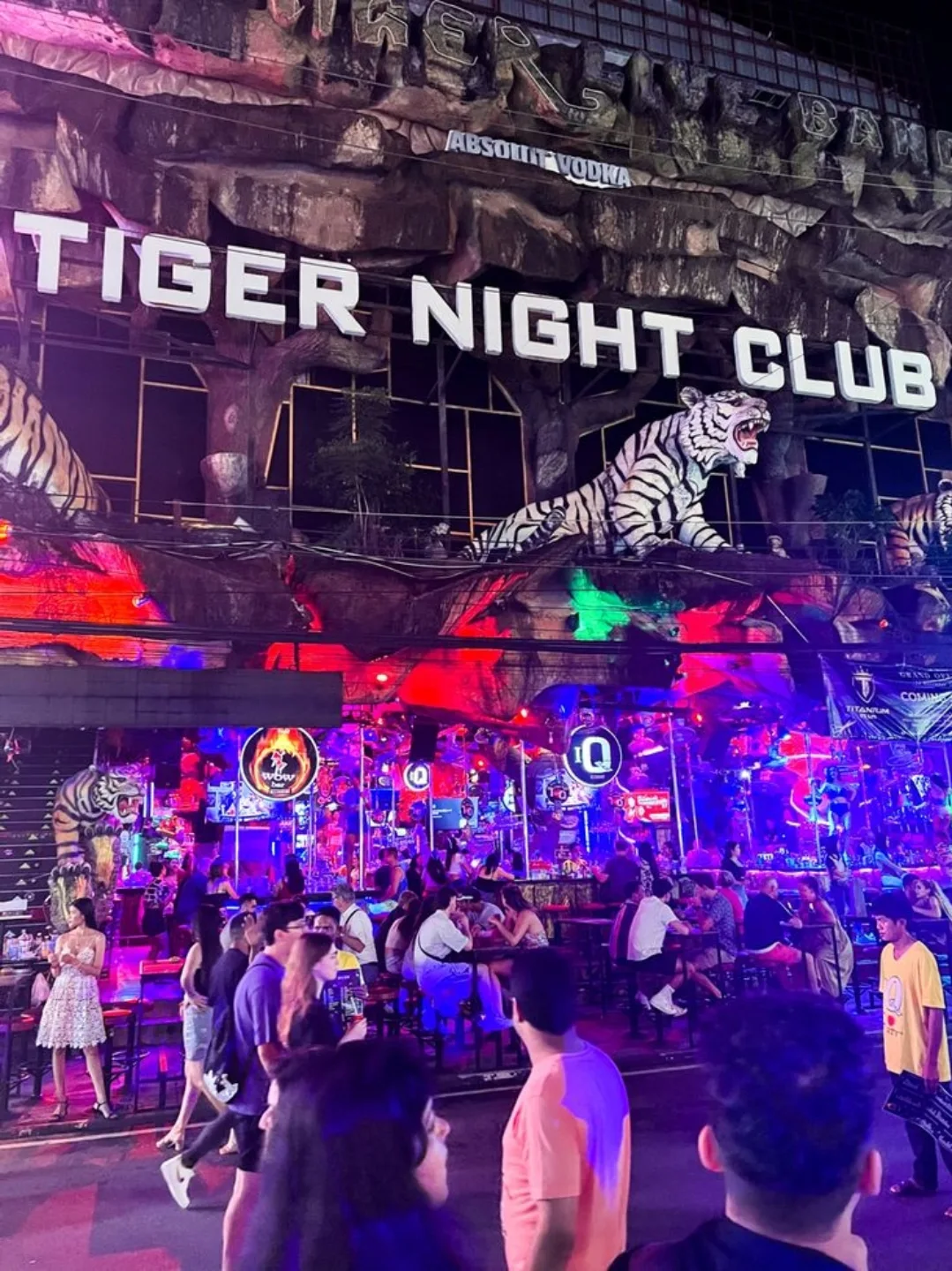
Khao San Road after dark (Source: Instagram - @hardik.singh_)
1. Major Nightlife Hubs
Neon lights and busy streets are only part of the story. In Thailand’s major cities, nightlife reveals a deeper character shaped by the identity of each destination.
1.1. Bangkok: A Symphony of Height and Urban Rhythm
In Bangkok, nightlife has evolved into a refined urban ritual. Rooftop bars are not simply places for a drink; they offer a rare vantage point over the city’s glowing skyline, where the pulse of urban life stretches far into the horizon.
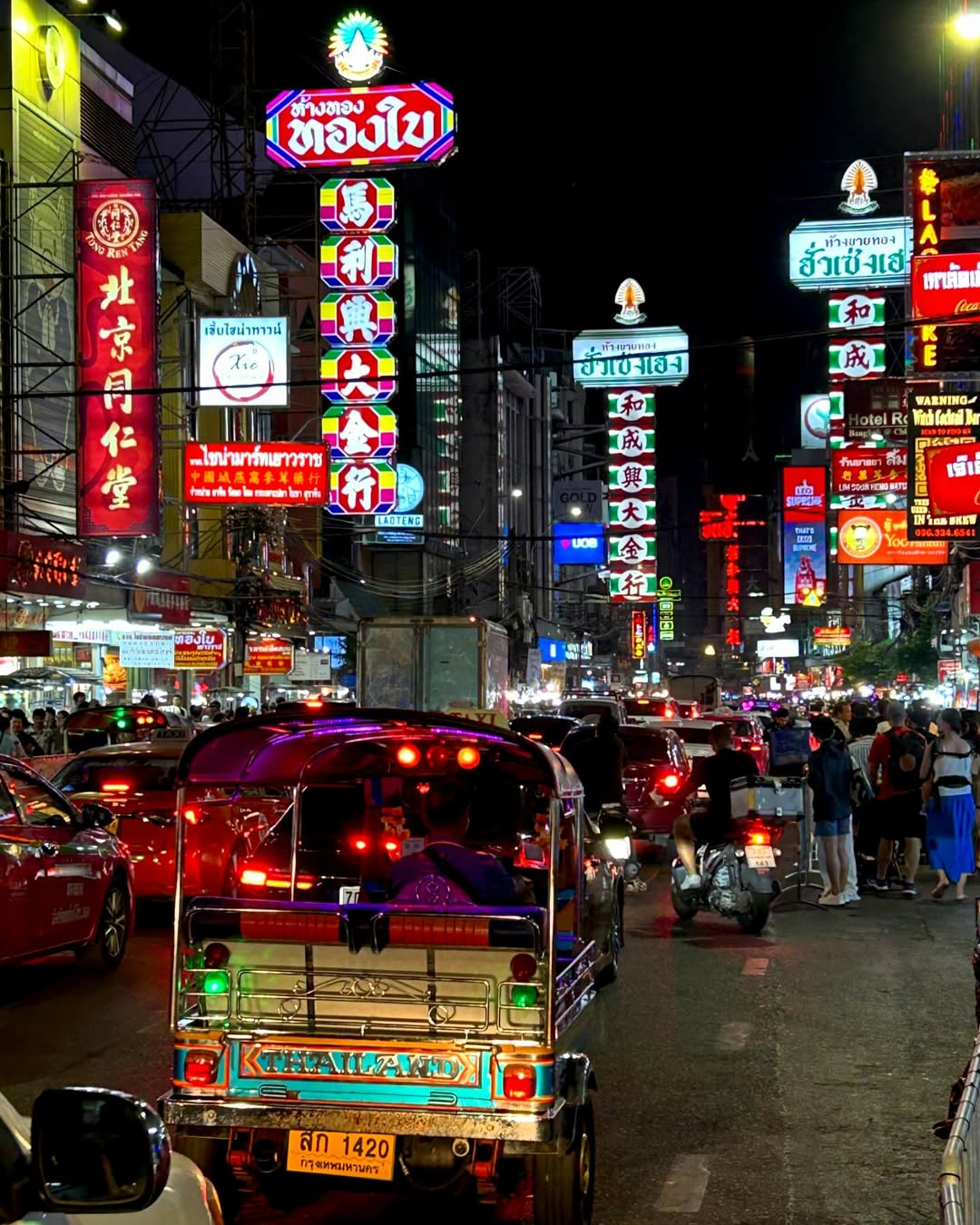
Yaowarat Nights. Bangkok never sleeps (Source: Instagram - @mad.about.thailand)
A layered scene: From high-energy electronic dance music (EDM) clubs and vibrant live-music venues to more intimate late-night dining spaces, the city offers a spectrum of nighttime experiences.
Distinct nightlife districts: Bangkok carefully shapes different nightlife zones to suit a wide range of visitors—from sophisticated luxury venues and creative underground spaces to neighborhoods known for their international communities and authentic local hangouts.
1.2. Phuket: Where the Rhythm of the Sea Meets Global Energy
On the island of Phuket, nightlife carries the open spirit of the ocean. Beach clubs and entertainment complexes integrated within resort settings redefine what relaxed luxury can feel like after dark.
A global rhythm: Internationally recognized DJs regularly appear here, creating a festival-like atmosphere that attracts travelers from around the world, especially during peak tourism seasons.
A shifting landscape: Alongside the long-established nightlife streets, Phuket is also seeing the emergence of more carefully curated venues that prioritize atmosphere, design, and immersive experiences rather than sheer scale.
1.3. Chiang Mai: A Quieter Night of Art and Community
Far from the intensity of southern party destinations, Chiang Mai follows a more understated path shaped by culture and creativity.
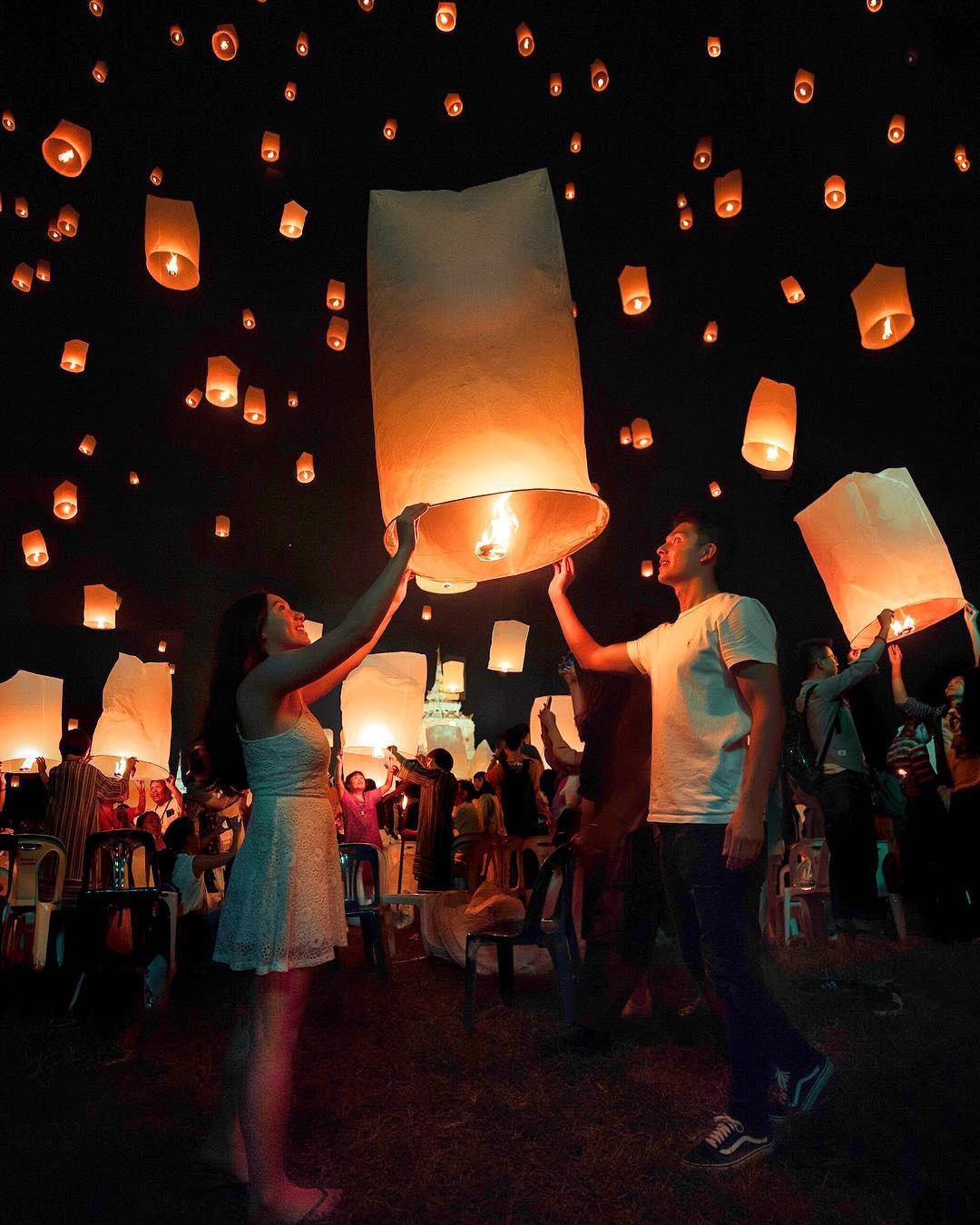
A magical night in Chiang Mai (Source: Instagram - @mikevisuals)
Curated spaces: Boutique bars, jazz clubs, and small art venues have become gathering places for the city’s creative community and young intellectuals.
A sense of balance: With local regulations that encourage earlier closing hours and noise control, nightlife here feels more intimate—an environment that favors conversation, creativity, and community connection.
1.4 Emerging and Secondary Nightlife Cities
The broader picture of Thailand’s nightlife would be incomplete without the rise of its secondary cities. From the energetic, never-sleeping atmosphere of Pattaya and the refined coastal charm of Hua Hin to the youthful dynamism of Khon Kaen in the Isan region, these destinations are gradually forming a diverse and expanding network of nighttime experiences across the country.
2. A Layered Identity: Types of Nightlife Experiences
The allure of Thailand after dark is not defined simply by lights or noise. What makes Thailand distinctive after dark is the way the country continually reshapes the idea of nightlife itself. From refined spaces of quiet appreciation to the lively rhythm of street culture, each form of nighttime experience reflects a different philosophy of enjoyment.
2.1. The Craft of Cocktails and the Art of Atmosphere (Bars & Lounges)
Thailand’s nightlife has seen a remarkable rise in cocktail culture. Rather than relying solely on international classics, local mixologists increasingly weave tropical ingredients into their creations, turning each drink into a small narrative of flavor, climate, and regional character.
A contrast of spaces: One of the most fascinating aspects of this scene is the contrast between elegant rooftop bars—where guests take in sweeping views of the city skyline—and intimate street-level venues, where conversation flows easily and a sense of neighborhood community remains at the heart of the experience.
2.2. Electronic Energy and Contemporary Sound (Clubs & Electronic Music)
Over the past decade, Thailand has emerged as a key destination for enthusiasts of electronic music, including EDM, techno, house, and hip-hop.
Global and local exchange: Major international DJs regularly headline large-scale events, while a new generation of Thai artists and collectives is steadily building its own creative presence within the regional music scene.
Professional standards: Improvements in licensing systems and sound management have also contributed to a more professional club environment, helping venues align with international standards for both quality and safety.
2.3. Live Music and Performance Spaces (Live Music & Performance)
Music remains one of the most powerful ways people connect after dark. Across Thailand, venues range from intimate jazz bars and spontaneous indie stages to the growing influence of T-Pop (Thai pop music), creating a diverse and evolving soundscape.
At the same time, cultural performances are increasingly being reinterpreted through contemporary staging and design. This approach allows traditional artistic elements to remain present while becoming more accessible to younger audiences and international travelers.
2.4. Night Markets and the Social Culture of Food
Few places reflect the openness and communal spirit of Thai culture as vividly as the country’s night markets.
The social heart of the evening: These markets function as open social spaces where food becomes the central point of connection.
Accessible and vibrant: Affordable prices paired with an extraordinary range of dishes make night markets welcoming to everyone—from curious travelers to groups of local friends. The result is an atmosphere that feels lively, unfiltered, and deeply connected to the everyday rhythm of Thai urban life after dark.
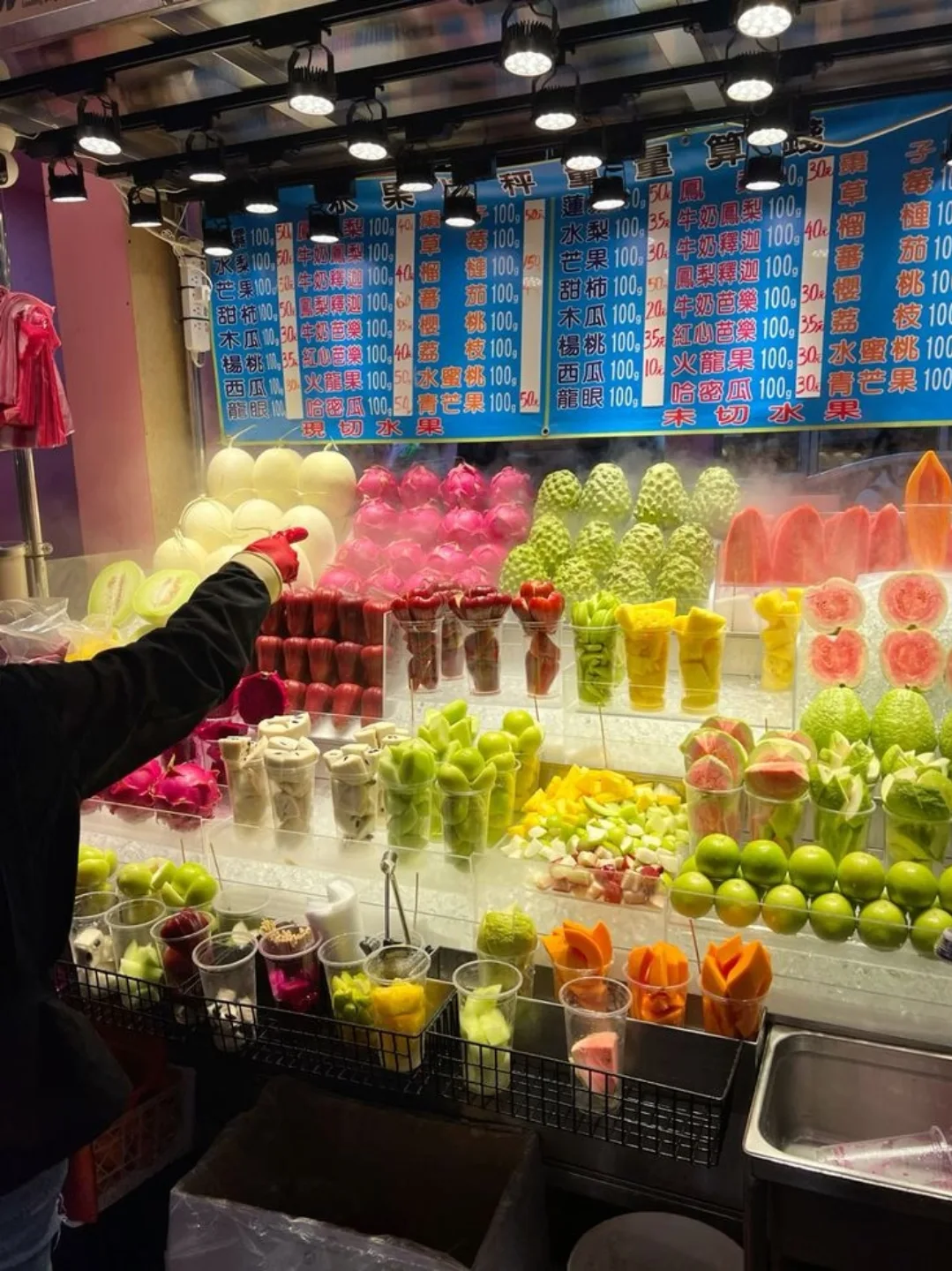
Night market fruit paradise (Source: Instagram - @hardik.singh_)
3. Cultural and Social Dimensions: Identity After Dark
Nightlife in Thailand is more than a tourism product. It is a vivid reflection of cultural values and the evolving dynamics of contemporary society. Understanding these deeper layers allows travelers to view Thailand after sunset with a greater sense of appreciation and perspective.
3.1. Local Attitudes Toward Leisure and Enjoyment
Thai culture places strong emphasis on balance in everyday life. One of the ideas often associated with this outlook is sanuk—the belief that enjoyment should be an integral part of living, not an occasional escape from it.
This mindset helps shape the welcoming atmosphere that visitors often notice in Thailand’s nighttime spaces. Locals tend to approach social gatherings with warmth and openness, and the shared settings of markets, music venues, and late-night cafés naturally blur the lines between residents and travelers. In these moments, simple interactions—a conversation over food, a shared table, or a friendly smile—become part of the experience itself.
3.2. Generational Perspectives and Changing Preferences
Thailand’s nightlife landscape also reflects subtle generational shifts.
Older generations often gravitate toward familiar forms of evening leisure—traditional live-music venues, neighborhood gathering spots, or night markets where community ties remain strong.
Younger generations, particularly Millennials and Gen Z, are gradually reshaping the scene. Their preferences lean toward curated creative spaces, independent music venues, and nightlife concepts that combine design, art, and digital culture. These evolving tastes contribute to a nightlife environment that feels increasingly diverse and dynamic.
3.3. Inclusivity and Personal Expression in Nighttime Spaces
Thailand has long been known for its spirit of openness and hospitality. That same spirit extends into the country’s nightlife environments, where many venues emphasize a sense of comfort and acceptance for visitors from different cultures and backgrounds.
For many travelers, the night becomes a setting where individuality can be expressed more freely—whether through music, fashion, conversation, or creative performance. The result is a social atmosphere that prioritizes mutual respect and personal space, allowing people to gather, connect, and enjoy the moment without the weight of rigid expectations.
In this sense, Thailand’s nightlife is not only about celebration. It is also about human connection—an exchange of energy, curiosity, and shared experiences that unfold naturally once the city lights begin to glow.
4. Regulations and Safety: Practical Guidance for Exploring Thailand at Night
Enjoying Thailand after dark is often effortless, but a basic understanding of local regulations and practical systems can help ensure a smooth and comfortable experience. Being aware of these guidelines not only reflects respect for local law but also helps travelers navigate nightlife settings with greater confidence.
4.1. Operating Hours and Alcohol Regulations
Closing hours:
Under current regulations, designated entertainment zones in major cities such as Bangkok, Phuket, Pattaya, and Chiang Mai may allow venues to operate until 4:00 a.m.. In areas outside these officially designated districts, most nightlife venues typically close around 2:00 a.m.
Alcohol service hours:
Alcohol sales are generally permitted during two daily periods:
- 11:00 – 14:00
- 17:00 – 24:00
Some licensed venues within official entertainment zones may receive special permissions extending these hours.
Restricted days:
Alcohol sales are prohibited during certain major Buddhist holidays and on national election days, when the government temporarily suspends alcohol service nationwide.
4.2. Age Requirements and Identification
Minimum age:
Visitors must be at least 20 years old to enter nightclubs and bars in Thailand.
Identification checks:
Many reputable venues conduct ID checks at the entrance. A passport—either the original document or a verified digital copy—is typically the most widely accepted form of identification. Foreign driver’s licenses or national ID cards may not always be accepted at larger venues, particularly in Bangkok.
4.3. Late-Night Transportation: Options and Costs
Ride-hailing applications:
Services such as Grab and Bolt are widely considered the most reliable transportation options late at night. These apps provide transparent pricing, GPS tracking, and driver records, helping reduce the risk of fare disputes or unnecessary detours.
Traditional taxis:
If using a street taxi, travelers should politely request that the driver use the meter. When a driver proposes a fixed fare instead, it is often best to find another taxi to avoid potential overcharging.
Urban rail systems:
Bangkok’s elevated train and subway networks generally stop operating around midnight (00:00). Travelers planning to return to their accommodation via public transport should keep this timing in mind.
4.4. Safety Awareness and Emergency Support
Know your exits:
When entering crowded venues or clubs, it is wise to take a moment to note the location of emergency exits and basic safety signage.
Tourist Police hotline:
In urgent situations, international visitors can contact the Tourist Police by dialing 1155. The service provides multilingual assistance and is specifically dedicated to helping travelers with safety concerns or service-related disputes.
With these practical considerations in mind, exploring Thailand’s nightlife becomes not only exciting but also reassuring—allowing travelers to experience the energy of the night while feeling informed and prepared.
5. Key Trends in 2026: Structural and Technological Shifts
Thailand’s nightlife landscape in 2026 reflects a broader transformation in how urban entertainment operates. What was once driven largely by spontaneous experiences is increasingly shaped by systems that prioritize efficiency, transparency, and social responsibility.
5.1. Digital Payments and Electronic Identification
The rapid adoption of cashless systems has significantly reshaped nighttime spending habits.
QR payments and e-wallets:
Across Thailand, cashless and QR-based payments have become widely adopted. These systems reduce the risks associated with counterfeit currency and eliminate the inconvenience of handling small change during late-night transactions.
Digital check-in systems:
Large nightclubs have also begun introducing QR-based identity verification or electronic ID scanning. This process allows venues to confirm age requirements quickly while reducing queues at entrances and improving overall security management.
5.2. Hybrid Venue Concepts
A growing number of urban venues are adopting flexible, multi-purpose designs. In cities such as Bangkok, the concept of a space that transforms throughout the day has become increasingly common.
Functional transformation:
A single venue may operate as a café or co-working space during the day, then shift into a lounge or cocktail bar after evening hours.
Practical advantages:
This model makes better use of limited urban space while offering convenience for remote workers and digital nomads, who can move seamlessly from daytime productivity to evening social settings within the same environment.
5.3. Noise Control and Environmental Responsibility
New urban planning policies introduced around 2026 have placed stronger emphasis on the environmental impact of nightlife venues.
Low-noise design:
New establishments are often required to install advanced soundproofing systems and directional audio technology. These measures help contain noise within the venue, allowing businesses to operate later while minimizing disruption to nearby residential areas.
Waste reduction standards:
Many venues are also transitioning away from single-use plastics, replacing them with biodegradable materials and implementing on-site waste sorting systems. These practices are increasingly tied to licensing requirements and broader sustainability goals within the hospitality sector.
5.4. The Rise of Curated Experiences
Another noticeable shift is the move from quantity to quality in nightlife offerings. Instead of large, crowded venues, many travelers now seek more thoughtfully designed experiences.
Examples include small-scale live performances, short mixology workshops, invite-only music sessions, or themed culinary events that combine late-night dining with artistic elements.
These curated formats reflect a broader change in traveler expectations: the desire for meaningful, well-crafted experiences rather than simply high-energy entertainment. In Thailand’s evolving nightlife culture, the focus is increasingly on atmosphere, storytelling, and memorable moments shared in carefully designed spaces.
6. Matching the Experience: Nightlife by Preference and Budget
Thailand’s nightlife ecosystem is broad enough to accommodate a wide spectrum of visitors. Understanding where a particular experience fits—not only in terms of cost but also atmosphere—can help travelers find spaces that feel both comfortable and memorable.
6.1. First-Time Visitors
For travelers experiencing Thailand’s nightlife for the first time, familiarity and accessibility often matter most.
Where to begin:
Central districts such as Sukhumvit in Bangkok or major beach clubs in Phuket offer well-developed tourism infrastructure, English-speaking staff, and service standards that are easy for newcomers to navigate.
A practical approach:
Many visitors find it helpful to begin the evening at a rooftop bar to gain a sense of the city’s layout and atmosphere. From there, ride-hailing apps provide a straightforward way to move between venues without worrying about unfamiliar routes late at night.
6.2. Long-Stay Residents and Digital Nomads
For expatriates and remote professionals living in Thailand, nightlife often serves as a social and creative meeting point rather than simply a form of entertainment.
Preferred spaces:
Hidden bars tucked into small soi (side streets), intimate jazz venues in Chiang Mai, or hybrid venues that combine daytime workspaces with evening lounges tend to attract this community.
What they value:
These visitors typically gravitate toward places with distinctive music programming, thoughtful drink menus, and an atmosphere that encourages conversation and connection with like-minded people.
6.3. Luxury Travelers
At the high end of the spectrum, privacy and personalized service become the defining elements of a night out.
Typical settings:
Private lounges within five-star hotels, invitation-only members’ clubs, or curated tasting experiences centered on wine and cocktails.
Service expectations:
Luxury travelers often opt for VIP table service, private transfers, and carefully curated live performances that enhance the overall atmosphere of exclusivity and refinement.
6.4. Budget-Conscious Travelers
Nightlife in Thailand can also be highly accessible for travelers seeking authentic experiences at modest cost.
Where to go:
Night markets, casual street-side bars, and lively neighborhoods near university districts offer vibrant social scenes without high prices.
The value of simplicity:
These settings often provide one of the most genuine glimpses into local evening life. With a bit of planning—such as taking advantage of happy hour offers or using public transportation before midnight—travelers can enjoy a rich nightlife experience without stretching their budget.
7. A Broader Perspective on Thailand’s Nightlife in 2026
Viewed as a whole, Thailand’s nightlife scene in 2026 reveals a clear shift in how the country approaches after-dark culture: nightlife is no longer merely an optional extension of tourism. It has evolved into a cultural platform and an important component of the country’s creative economy.
Where Global Appeal Meets Local Identity
Part of Thailand’s success lies in its ability to maintain a delicate balance between international appeal and local character. The country’s most contemporary nightlife spaces do not simply replicate Western entertainment models. Instead, they integrate distinctly Thai elements—from regional ingredients used in cocktail creation to design aesthetics and emerging music styles rooted in local culture.
It is precisely this layered identity—where global influences meet authentic local expression—that allows Thailand’s nightlife ecosystem to remain both competitive and distinctive on the world stage.