Remote & Freelance Life in Thailand: What to Know
- 1. Is Thailand Right for You as a Remote Worker?
- 2. Internet, Connectivity & Work Infrastructure
- 3. Best Cities & Regions for Remote Work in Thailand
- 4. Cost of Living & Budget Planning for Remote Workers
- 5. Visas, Length of Stay & Legal Considerations
- 6. Housing for Remote Workers
- 7. Daily Life & Work-Life Balance
- 8. Community, Networking & Social Integration
- 9. Common Mistakes Remote Workers Make in Thailand
- 10. Who Is Well-Suited to Thailand’s Working Environment (and Who May Face Constraints)
Thailand has become increasingly visible on the global map of remote work over the past decade. What used to be viewed as a short-term destination for digital nomads has slowly developed into a place where many location-independent professionals now choose to stay for extended periods.
Today, many remote workers are drawn to Thailand for more practical reasons. Alongside its scenery, the country offers reliable internet infrastructure, manageable living costs, and a lifestyle that allows for a slower daily rhythm.
For many professionals, living and working in Thailand is no longer treated as a brief escape from everyday routines. Instead, many people now approach it as a temporary relocation — a chance to maintain professional continuity while experiencing life in a different cultural setting.
This guide offers a practical overview of what that experience is actually like. Rather than presenting an idealized “work from paradise” image, the guide focuses on the opportunities as well as the practical realities remote workers may encounter.
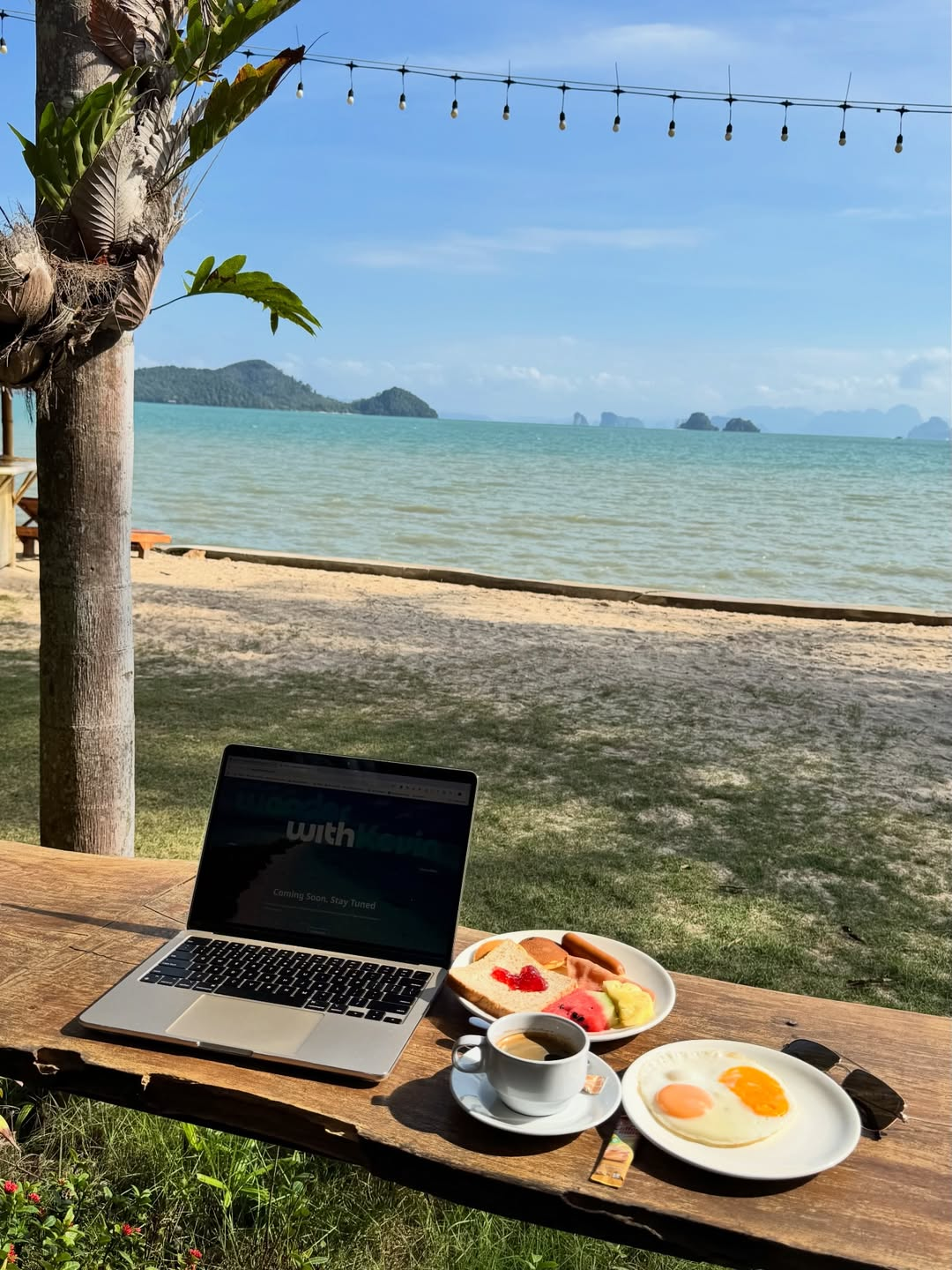
Breakfast with a beach view in Thailand (Source: Instagram — @wander_with_kevin)
1. Is Thailand Right for You as a Remote Worker?
Before beginning the journey, the most important preparation is not packing luggage, but being honest about your own working style. Thailand offers a high degree of freedom, yet that freedom reaches its full potential only when it aligns with the nature of the work you pursue.
- Compatibility with Working Style
Thailand can be considered an ideal environment if your work emphasizes independence and asynchronous management (async work). If you are a programmer, writer, or creative professional who can manage deadlines autonomously without requiring constant online presence, the ecosystem here can support sustained focus.
Conversely, if your role requires intensive real-time collaboration across Western time zones, you may encounter indirect pressures caused by time differences, potentially disrupting natural daily rhythms.
- Time Zones and Biological Rhythm
Geographical distance inevitably brings temporal challenges. Starting an important meeting at midnight local time may feel novel during the first few days, but over the long term, it can contribute to physical and mental strain.
Careful consideration is necessary: Is your schedule flexible enough to adapt to this time difference, or will you choose to operate on an inverted time cycle while living in Thailand?
- Short-Term Stay or Long-Term Living?
The distinction lies in mindset. A short “workation” often retains a strong travel-oriented focus, where time is divided between exploration and professional responsibilities.
However, Thailand tends to reveal its full value when approached as a long-term living environment. Establishing a stable routine in a fixed location can support sustained productivity, rather than expending significant energy on continuous movement between regions. The appropriate decision begins with a clear understanding of your own limits and expectations.
2. Internet, Connectivity & Work Infrastructure
For remote workers, reliable internet is not simply a convenience. It is what allows daily work to continue smoothly. Before choosing a city, island, or neighborhood, understanding the local internet and power infrastructure is essential.
Thailand generally performs well in this area. Major cities provide fast fiber-optic connections and extensive mobile data coverage, while many coworking spaces offer stable high-speed networks designed specifically for professionals working online.
However, infrastructure conditions can vary depending on geography. Remote islands, mountainous areas in the north, or smaller towns may occasionally experience weaker signals or short power interruptions. Preparing for these variations helps ensure that work remains uninterrupted regardless of location.
Below are the primary infrastructure and work-environment pillars to consider:
Internet Connectivity and Mobile Data
Thailand’s telecommunications infrastructure ranks among the strongest in the region; however, service quality varies by geography:
- Reliability (Urban vs. Remote Areas): In major cities such as Bangkok and Chiang Mai, fiber-optic broadband and 5G networks are widely available and offer high speeds. In mountainous areas in the North or on smaller southern islands, signal strength may be less consistent, requiring contingency planning.
- SIM Cards and Data Plans: Major providers including AIS, TrueMove H, and DTAC offer various “Tourist SIM” packages with high or unlimited data allowances. Obtaining a physical SIM card or eSIM upon arrival supports uninterrupted access to navigation and translation applications.
Electricity Infrastructure and Backup Power
Power stability is a critical factor, particularly for remote work arrangements:
- Reliability: Thailand’s national grid is generally stable. However, localized outages may occur in certain small islands or during periods of heavy rainfall and storms.
- Backup Solutions: Carrying a high-capacity power bank is advisable. When selecting accommodation, prioritize properties equipped with backup generators or uninterruptible power supply (UPS) systems if your role requires continuous online availability.
Diverse Working Environments
Thailand offers a flexible work ecosystem that supports location-independent professionals:
- Coworking Spaces: These are concentrated in areas such as Nimman in Chiang Mai and central districts of Bangkok. They typically provide high-speed internet, office facilities, and opportunities for professional networking.
- Cafés (Culture and Etiquette): Many cafés across Thailand are laptop-friendly. However, observe local etiquette: avoid occupying a table for extended periods with minimal orders during peak hours, and confirm in advance if electrical outlets are available for use.
- Home-Based Work: When booking accommodation, prioritize listings with consistently strong Wi-Fi reviews and a dedicated workspace. A clearly separated working area can help maintain productivity and prevent overlap between rest and professional routines.
3. Best Cities & Regions for Remote Work in Thailand
Thailand has long been recognized as a global hub for digital nomads. However, each city offers a distinct professional ecosystem, requiring decisions to be based on work requirements rather than travel preference alone.
Bangkok: A Global Connectivity Hub
Bangkok is often prioritized by professionals who require a structured, corporate-oriented environment with uninterrupted connectivity.
- Professional Coworking Ecosystem: The city hosts numerous internationally standardized coworking spaces equipped with high-speed fiber-optic internet and comprehensive office facilities.
- Suitable for High-Intensity Work: Roles that involve frequent virtual meetings, real-time collaboration, or direct engagement with business partners benefit from Bangkok’s infrastructure, accessibility, and fast-paced urban environment.
Chiang Mai: Creative Environment and Cost Efficiency
In contrast to the capital’s pace, Chiang Mai attracts remote professionals through its calmer atmosphere and comparatively moderate living costs.
- Established Remote Work Community: The city supports a sizable international community, facilitating professional networking, knowledge exchange, and collaborative opportunities.
- Suitable for Focus-Driven Work: With abundant green spaces and a slower daily rhythm, Chiang Mai provides an environment conducive to deep concentration, research-oriented tasks, and routine-based creative work.
Phuket: The Intersection of Lifestyle and Work
Phuket has evolved beyond a short-term holiday destination and is increasingly considered for extended stays.
- Developed Island Infrastructure: Leveraging its coastal setting, Phuket has expanded its coworking offerings, including workspaces located near beachfront areas, allowing professional activity within a relaxed physical environment.
- Lifestyle-Oriented Suitability: It is often selected by remote professionals who prioritize outdoor activities, water sports, and a nature-centered living environment alongside their work commitments.
Secondary Locations:
Mid-sized cities and lesser-known islands offer alternative long-stay options.
- Cost and Tranquility Advantages: These locations generally provide lower living expenses compared to Bangkok or Phuket, combined with quieter surroundings and a slower pace of life.
- Trade-Off Considerations: Connectivity infrastructure may be less robust, and expatriate communities smaller. While this presents practical challenges, it can also create opportunities for deeper engagement with local contexts.
Each location offers distinct advantages. Effective planning depends on identifying whether you require a dynamic, highly connected environment or a quieter setting that supports sustained focus and personal balance.
4. Cost of Living & Budget Planning for Remote Workers
Anyone planning a longer stay in Thailand should start by thinking carefully about their budget. While the country is widely known for its relatively accessible cost of living, actual expenses vary significantly depending on lifestyle, location, and accommodation choices.
A remote worker living in central Bangkok will naturally face different costs from someone based in Chiang Mai or a smaller coastal town. Instead of relying on fixed numbers, it is more useful to think in terms of general budget ranges that reflect these differences.
Understanding where your spending is likely to go — housing, food, transportation, and workspace — makes it much easier to plan a sustainable routine rather than treating the stay like a short holiday.
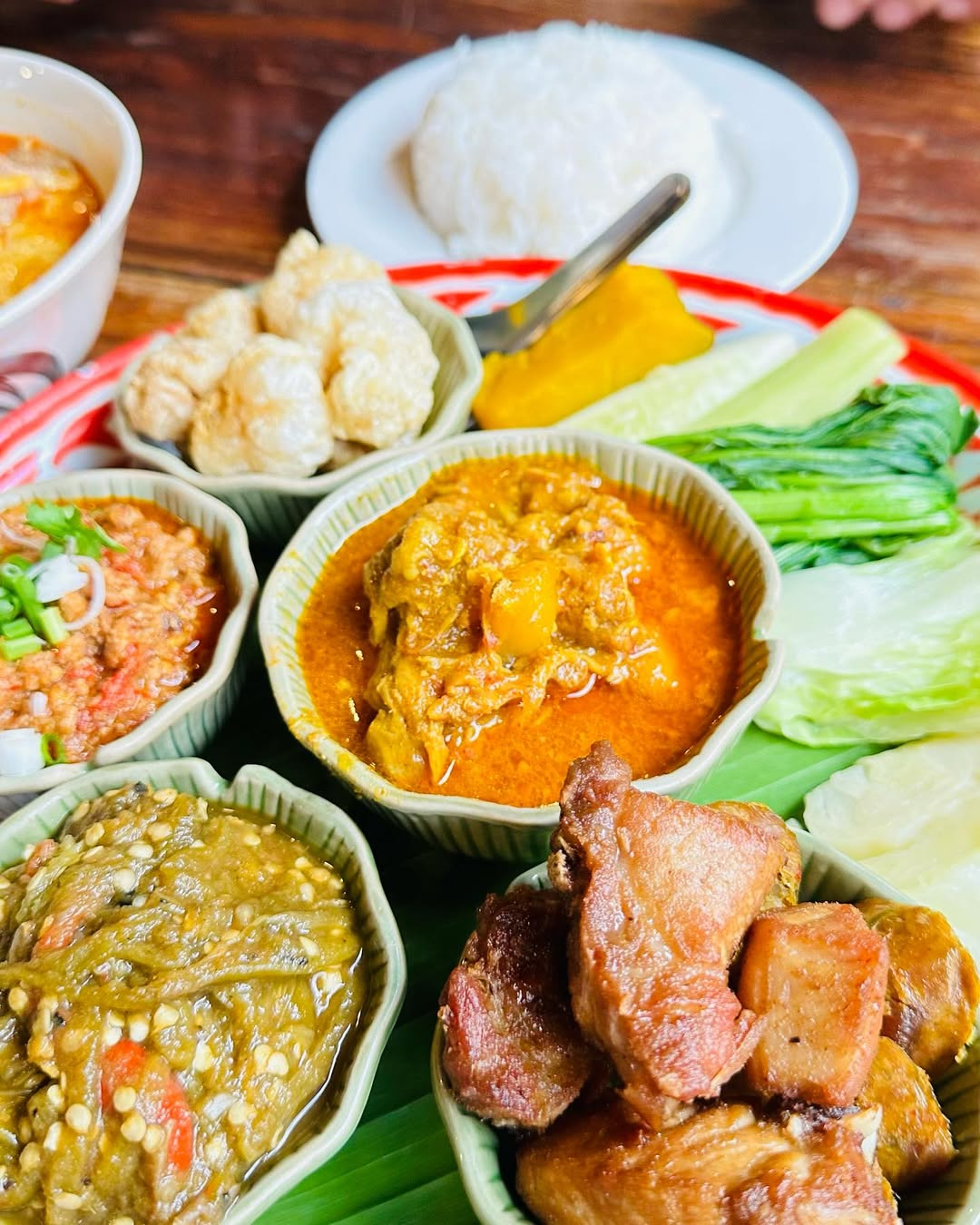
Traditional Thai dishes served with rice and fresh vegetables (Source: Instagram — @premiumbanana)
Indicative Monthly Budget Ranges
Rather than fixed figures, budgets should be viewed within ranges to reflect regional variation (for example, living costs in Bangkok are typically 20–30% higher than in Chiang Mai).
- Budget Level: USD 800 – 1,200
Suitable for studio apartments in outer districts, prioritizing local food options, and relying primarily on public transportation.
- Mid-Range Level: USD 1,500 – 2,500
Allows residence in modern condominiums with full amenities, a balanced mix of home cooking and restaurant dining, and discretionary spending for weekend activities.
- High-End Level: From USD 3,500 upward
Designed for accommodation in premium central areas, personal services, and higher-tier lifestyle experiences.
Allocation of Major Expense Categories
- Housing: Typically the largest expense, accounting for approximately 30–40% of the total budget. Rental prices vary significantly between basic suburban units and serviced apartments in central districts.
- Food: Thailand presents a clear cost distinction between meals purchased at local markets and street vendors, and those at international-standard restaurants.
- Transportation: Includes monthly public transit passes (such as the Bangkok Mass Transit System and Mass Rapid Transit Authority of Thailand networks), motorbike rentals, or app-based taxi services.
- Work Infrastructure (Coworking): Membership fees for fixed or flexible desks in professional coworking environments, ensuring reliable internet connectivity and a structured workspace.

A glimpse of daily transit life in Bangkok (Source: Instagram — @teguh_priambodo)
Behavioral Shift: “Tourist” vs. “Long-Term Resident”
Budget optimization depends largely on transitioning from short-term consumption habits to a long-term residential mindset.
- Time Commitment: Signing monthly or annual rental contracts significantly reduces unit costs compared to daily bookings through travel platforms.
- Local Lifestyle Integration: Utilizing direct local services and purchasing groceries independently supports more sustainable spending patterns than relying exclusively on tourist-oriented districts.
5. Visas, Length of Stay & Legal Considerations
Choosing the right visa determines both how long you can stay and the legal basis for remote work in Thailand.
Common Visa Options for Remote Professionals
Depending on the intended length of stay, the following options may be considered:
- Visa Exemption: Applicable for short visits of approximately 30–60 days (subject to nationality). This is typically the most direct option for short-term work-and-travel arrangements.
- Tourist Visa: Permits a 60-day stay, with the possibility of a 30-day extension at a local immigration office.
- Destination Thailand Visa (DTV): The Destination Thailand Visa is designed specifically for digital nomads, offering validity of up to five years and permitting stays of up to 180 days per entry. It is generally considered a suitable option for individuals planning repeated or long-term stays.
- Long-Term Resident (LTR) Visa: The Long-Term Resident Visa is intended for highly qualified professionals and provides certain tax and administrative benefits. However, it includes stringent income and asset requirements.
Important Notes on Validity and Extensions
To minimize legal risk, adherence to immigration timelines is essential:
- Entry Stamp Verification: Upon arrival, verify the exact expiry date indicated in the passport entry stamp.
- Extension Procedures: Extensions should be initiated at least one week prior to the expiration date to avoid overstay. Overstay penalties may include fines or potential entry restrictions in the future.
- 90-Day Reporting Requirement: For long-term visa holders, residential address reporting to immigration authorities is mandatory every 90 days.
Compliance Expectations
Regulatory oversight for long-term foreign residents has become increasingly structured:
- Avoid Repeated “Visa Runs”: Frequent short-term exits and re-entries to extend stays under tourist status may result in denied entry at the border.
- Nature of Employment: These visa categories support remote work conducted for companies located outside Thailand. Participation in the local labor market without a valid work permit constitutes a legal violation.
Visa regulations may change with limited notice. Travelers should verify the most current information through official consular channels or the website of the Thailand Immigration Bureau prior to departure.
6. Housing for Remote Workers
Selecting appropriate accommodation is a determining factor in the success of a long-term stay. Rather than focusing primarily on visual appeal, remote professionals should prioritize infrastructure standards and spatial functionality to maintain a clear balance between rest and work.
Types of Accommodation
Depending on the intended duration of stay, the following formats are commonly considered:
- Serviced Residences: Suitable for stays of approximately one to three months. These properties typically include housekeeping, high-speed internet, and front-desk services, reducing logistical responsibilities.
- Condominiums: Often the most cost-efficient option for stays of six months or longer. Direct rental arrangements can significantly reduce expenses; however, tenants are generally responsible for managing utility bills such as electricity, water, and internet.
- Short-Term Rentals: Appropriate during the initial arrival period, allowing time to assess neighborhoods before committing to a longer-term contract.
Primary Selection Criteria
When evaluating accommodation, decisions should be based on functional specifications rather than promotional imagery:
- Internet Quality: Reliable connectivity is essential. Request a room-level speed test and confirm Wi-Fi stability in both private and shared areas.
- Dedicated Workspace: Prioritize units equipped with an adequate desk, ergonomic seating, and sufficient natural light to reduce fatigue during extended working hours.
- Noise Control: Avoid locations adjacent to construction sites or nightlife districts if your work requires sustained concentration or frequent online meetings.
Practical Considerations When Renting
Allocate two to three days upon arrival to conduct in-person viewings before placing a deposit. Factors such as ambient odor, surrounding noise, and water pressure are best assessed directly.
Many residential developments in cities such as Bangkok and Chiang Mai integrate facilities including swimming pools, fitness centers, and, in some cases, internal coworking areas. These amenities can support a balanced lifestyle without requiring additional travel.
7. Daily Life & Work-Life Balance
Residing in a dynamic environment can easily create the perception of an extended holiday. Sustained productivity depends on structured daily rhythms:
Clear Time Allocation: Define dedicated working hours and separate periods for personal activities. Consistent scheduling allows for participation in evening markets or coastal leisure time without compromising professional obligations.
Utilizing On-Site Facilities: Making use of fitness centers or swimming pools within residential buildings before or after work can support energy management without requiring additional travel time.
Access to Health and Nutrition
Thailand provides access to a well-developed healthcare ecosystem at comparatively accessible costs:
- Balanced Nutrition: While street food is widely available, maintaining a sustainable routine may require incorporating nutrient-dense meals through local family-run establishments or self-catering options.
- Medical Access: Major urban centers such as Bangkok, Chiang Mai, and Phuket host internationally accredited hospitals. Appropriate health insurance coverage is advisable for extended stays.
Performance Management and Burnout Prevention
A highly comfortable environment may lead either to reduced structure or, conversely, to overcompensation through excessive work:
- Spatial Boundaries: Where possible, separate working and resting areas within the accommodation. Periodically relocating work sessions to cafés or coworking spaces can also support creativity and reduce isolation.
- Avoiding Burnout: Attempting to experience every destination within the initial weeks may undermine long-term sustainability. Viewing the stay as a living phase rather than a compressed itinerary allows for gradual exploration while maintaining professional continuity.
8. Community, Networking & Social Integration
One challenge of long-term remote work is the potential for social isolation. Thailand’s established community of international residents and freelancers can make this transition easier.
Coworking spaces often act as informal meeting points where professionals connect through workshops, networking events, or casual conversations during the workday. These spaces can provide both a productive environment and opportunities to meet people facing similar professional routines.
Outside of work environments, joining activity-based communities — such as running groups, language classes, or photography clubs — can help remote workers build friendships beyond professional networks.
Leveraging Coworking Networks
Coworking spaces function not only as technical work environments but also as structured networking hubs:
- Networking Events: Workshops, skill-sharing sessions, and informal gatherings are frequently organized in areas such as Nimman in Chiang Mai and Sukhumvit in Bangkok. These platforms facilitate professional relationship-building and knowledge exchange.
- Interest-Based Groups: Participation in activity-based communities — including yoga, running, photography, or Thai language study — can foster connections that extend beyond professional contexts.
Cultural Integration vs. Expatriate Enclaves
Residing exclusively within expatriate-focused environments may limit the depth of local engagement.
- Respect for Local Context: Demonstrating cultural awareness through basic language acquisition, understanding social norms, and participating appropriately in community activities supports more meaningful interaction.
- Long-Term Perspective: Viewing the stay as an opportunity for cultural understanding, rather than as a temporary visit, encourages sustained engagement. Constructive interaction with local residents can enhance both social integration and personal experience.
Mitigating Social Isolation
- Proactive Social Scheduling: Establishing one to two social engagements per week — whether professional or recreational — can help maintain mental balance and prevent isolation.
- Diverse Interaction: Engaging with both international residents and local communities provides a broader perspective on life in Thailand and may facilitate smoother adaptation to the surrounding environment.
9. Common Mistakes Remote Workers Make in Thailand
Transitioning professional activity to a new country involves operational and lifestyle adjustments. Identifying frequent challenges in advance can support a more stable and sustainable experience.
Frequent Relocation Between Destinations (Overmoving)
A common pattern involves attempting to change cities on a weekly basis in order to maximize exposure to different locations.
- Impact: Continuous relocation can disrupt work routines, reduce productivity, and increase fatigue due to repeated logistical coordination.
- Consideration: Adopting a residential mindset rather than a short-term travel approach may support stability. Allocating at least one month per location allows time to establish consistent working patterns and develop familiarity with the local environment.
Underestimating Time Zone Fatigue
Coordinating with North American or European time zones while residing in Southeast Asia presents biological and operational challenges.
- Impact: Sustained late-night schedules may contribute to reduced concentration, physical fatigue, and limited engagement with daytime activities locally.
- Consideration: Where possible, negotiate reasonable time overlaps for real-time collaboration or prioritize asynchronous workflows to reduce strain.
Maintaining Short-Term Tourist Consumption Patterns
Extending short-term travel habits — such as staying exclusively in hotels, relying heavily on taxis, and dining primarily in central tourist districts — over several months can affect both budget and depth of experience.
- Impact: Expenses may increase significantly, while interaction remains limited to expatriate-focused areas.
- Consideration:Integrating into local routines — including using public transportation, shopping at neighborhood markets, and signing monthly rental agreements — may support financial efficiency and a more grounded residential experience.
Overlooking Visa Deadlines and Regulatory Requirements
Failure to monitor reporting timelines or reliance on repeated short-term border exits to extend stay carries legal risk.
- Impact: Potential consequences include financial penalties, entry refusal, or restrictions imposed by the Thailand Immigration Bureau.
- Consideration: Maintain updated awareness of current regulations and initiate extension procedures at least one to two weeks prior to expiration to minimize compliance risk.
10. Who Is Well-Suited to Thailand’s Working Environment (and Who May Face Constraints)
Sustaining professional performance in a destination widely recognized for leisure requires more than personal preference. Compatibility depends on the nature of one’s work and the ability to self-manage effectively. A realistic assessment supports appropriate expectations and structured adaptation.
Thailand May Be Well-Suited For:
- Independent Professionals: Individuals with strong time-management skills, personal discipline, and limited reliance on direct in-office supervision.
- Flexible Work Schedules: Roles that accommodate asynchronous workflows and do not require continuous real-time availability aligned with Western time zones.
- Long-Stay Planners: Those seeking stability, willing to establish structured routines, and approaching their stay as a residential phase rather than a short-term visit.
Considerations and Potential Constraints
Thailand may present challenges for individuals in the following categories:
- Fixed-Hour Corporate Roles: Positions requiring continuous alignment with North American or European time zones may result in sustained time differences of approximately 7–12 hours, potentially contributing to fatigue and long-term strain.
- Roles Requiring Frequent In-Person Interaction: Positions involving on-site management or regular physical presence in another country may encounter operational limitations.
- Very Short-Term “Workation” Stays: Stays of one to two weeks may not provide sufficient time to establish stable routines, increasing the likelihood that leisure activities overshadow professional commitments.
Strategic Orientation
Thailand offers meaningful advantages for individuals who prioritize stability and maintain consistent personal discipline. Professional performance often improves when frequent relocation is minimized and expectations with employers or partners are clarified in advance.
For remote professionals, Thailand offers far more than a temporary change of scenery. The country has gradually developed an environment that supports longer stays — combining modern infrastructure, flexible living options, and a lifestyle that encourages a balanced daily routine.
However, the experience tends to be most successful when approached with the right expectations. Treating the stay as a period of living rather than an extended vacation allows remote workers to establish routines, maintain productivity, and integrate more naturally into the local environment.
Those who approach Thailand with patience, structure, and cultural awareness often find that the country provides a setting where work and daily life can coexist in a sustainable way.